Buy every4one.com ?
We are moving the project
every4one.com .
Are you interested in purchasing the domain
every4one.com ?
domain@kv-gmbh.de · 0541-91531010
Buy every4one.com ?
What are relative clauses and conjunctional clauses?
Relative clauses are clauses that provide additional information about a noun in the main clause. They are introduced by relative pronouns such as "who," "which," "that," and "whom." For example, in the sentence "The book that I read is very interesting," the relative clause "that I read" provides more information about the noun "book." Conjunctional clauses, on the other hand, are clauses that are connected to the main clause by conjunctions such as "and," "but," "or," "if," and "because." They can express relationships such as addition, contrast, alternative, condition, and cause. For example, in the sentence "I will go to the park if the weather is nice," the conjunctional clause "if the weather is nice" expresses a condition for the action in the main clause. **
What are conjunctional clauses, relative clauses, demonstrative clauses, and infinitive clauses?
Conjunctional clauses are dependent clauses that are introduced by a conjunction, such as "because," "although," or "while." They provide additional information about the main clause in a sentence. Relative clauses are also dependent clauses that provide more information about a noun in the main clause. They are introduced by relative pronouns like "who," "which," or "that." Demonstrative clauses are dependent clauses that function as adjectives and provide more information about a noun in the main clause. They are introduced by demonstrative pronouns like "this," "that," "these," or "those." Infinitive clauses are dependent clauses that are formed with an infinitive verb (to + base form of the verb). They can function as nouns, adjectives, or adverbs in a sentence. **


Similar search terms for Conjunctional
Top-Angebote
Products related to Conjunctional:
-
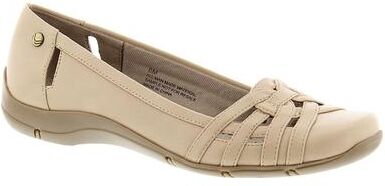
Life Stride LifeStride Diverse II - Womens 8.5 White Slip On W"*Make the transition into warm weather easy with this skimmer's perfect balance of cutouts and coverage. Faux leather or canvas upper. Plush footbed with Soft System cushioning technology. Flexible rubber-like sole. 3/4"" heel height LifeStride..."45,49 $*Shipping: 6,95 $Secure redirect to the provider
-
Life Stride LifeStride Diverse II - Womens 6 White Slip On Medium"*Make the transition into warm weather easy with this skimmer's perfect balance of cutouts and coverage. Faux leather or canvas upper. Plush footbed with Soft System cushioning technology. Flexible rubber-like sole. 3/4"" heel height LifeStride..."45,49 $*Shipping: 6,95 $Secure redirect to the provider
-
Life Stride LifeStride Diverse II - Womens 9.5 Tan Slip On N"*Make the transition into warm weather easy with this skimmer's perfect balance of cutouts and coverage. Faux leather or canvas upper. Plush footbed with Soft System cushioning technology. Flexible rubber-like sole. 3/4"" heel height LifeStride..."45,49 $*Shipping: 6,95 $Secure redirect to the provider
-
Life Stride LifeStride Diverse II - Womens 8.5 Tan Slip On Medium"*Make the transition into warm weather easy with this skimmer's perfect balance of cutouts and coverage. Faux leather or canvas upper. Plush footbed with Soft System cushioning technology. Flexible rubber-like sole. 3/4"" heel height LifeStride..."45,49 $*Shipping: 6,95 $Secure redirect to the provider


-
What is the difference between a conjunctional clause and an adverbial clause?
A conjunctional clause is a type of dependent clause that begins with a subordinating conjunction, such as "because," "although," or "while." It functions to connect the dependent clause to the independent clause and provide additional information about the main clause. An adverbial clause, on the other hand, is a type of dependent clause that functions as an adverb in the sentence, providing information about the time, place, manner, or condition of the action in the main clause. While both types of clauses are dependent and provide additional information, the key difference is that a conjunctional clause connects the dependent clause to the main clause, while an adverbial clause functions as an adverb in the sentence. **
-
What is the difference between a relative clause and a conjunctional clause?
A relative clause is a type of subordinate clause that provides additional information about a noun in the main clause. It typically begins with a relative pronoun such as "who," "which," or "that." A conjunctional clause, on the other hand, is a type of subordinate clause that functions as an adverb, connecting two independent clauses. It typically begins with a subordinating conjunction such as "because," "although," or "while." In summary, the main difference between the two is that a relative clause provides additional information about a noun, while a conjunctional clause connects two independent clauses. **
-
How do I recognize a relative clause, a conjunctional clause, and an interrogative clause?
A relative clause typically starts with a relative pronoun (such as who, whom, whose, which, or that) and provides more information about a noun in the main clause. A conjunctional clause, on the other hand, is introduced by a conjunction (such as and, but, or because) and connects two independent clauses. An interrogative clause is a type of clause that asks a question and is typically introduced by an interrogative pronoun (such as who, what, when, where, why, or how) or an interrogative adverb (such as how, when, or where). **
-
How can I recognize a relative clause, a conjunctional clause, and an interrogative clause?
A relative clause is a type of dependent clause that typically starts with a relative pronoun (such as who, whom, whose, which, or that) and provides additional information about a noun in the main clause. A conjunctional clause, on the other hand, is a dependent clause that functions as an adverb, adjective, or noun in a sentence and is connected to the main clause by a conjunction (such as because, although, if, when, etc.). An interrogative clause is a type of clause that asks a question and typically begins with a question word (such as who, what, where, when, why, or how) or with a helping verb followed by the subject. **

Are diverse people members of the LGBTQ community?
Yes, diverse people are members of the LGBTQ community. The LGBTQ community is made up of individuals from various backgrounds, cultures, races, and identities. It is important to recognize and celebrate this diversity within the community, as it enriches the experiences and perspectives of its members. Embracing diversity helps create a more inclusive and supportive environment for all LGBTQ individuals. **
"Is the Steam Store community profile not accessible only for me?"
The accessibility of the Steam Store community profile may vary for different users. It is possible that there may be a temporary issue with the profile, or it could be a problem specific to your account. I would recommend checking the Steam support forums or reaching out to Steam customer support for assistance in resolving the issue. Additionally, you can try accessing the profile from a different device or internet connection to see if the problem persists. **
Top-Angebote
Products related to Conjunctional:
-
Our Voices: Neighborhood & Community Boxed SetFoster a feeling of belonging while building key reading skills with these colorful storybooks that spotlight a variety of neighborhoods and communities. The 10 charming stories feature characters from different cultural backgrounds who learn about...30,59 $*Shipping: 0,00 $Secure redirect to the provider
-
Jeffree Star Cosmetics Velour Liquid Lipstick liquid lipstick shade Gated Community 5.6 mlJeffree Star Cosmetics Velour Liquid Lipstick, 5.6 ml, Lipsticks for Women, Beautifully accentuated lips never go out of style. The Jeffree Star Cosmetics Velour Liquid Lipstick lipstick envelops the surface of your lips in a continuous layer of irresistible and rich colour, accentuating any makeup look perfectly, whether you’re heading to work, a meeting or a party. It allows you to emphasise your lips while also giving them the shape you want or a fuller look. In just a moment, it will give your lips a gorgeous colour and perfect shape, making them the centre of attention and irresistibly kissable. Characteristics: matte effect long-lasting washes out easily Ingredients: vegan product How to use: Apply lipstick to lips from the centre to the corners using gentle strokes.13,30 £*Shipping: 3,99 £Secure redirect to the provider
-
Life Stride LifeStride Diverse II - Womens 8.5 White Slip On W"*Make the transition into warm weather easy with this skimmer's perfect balance of cutouts and coverage. Faux leather or canvas upper. Plush footbed with Soft System cushioning technology. Flexible rubber-like sole. 3/4"" heel height LifeStride..."45,49 $*Shipping: 6,95 $Secure redirect to the provider
-
Life Stride LifeStride Diverse II - Womens 6 White Slip On Medium"*Make the transition into warm weather easy with this skimmer's perfect balance of cutouts and coverage. Faux leather or canvas upper. Plush footbed with Soft System cushioning technology. Flexible rubber-like sole. 3/4"" heel height LifeStride..."45,49 $*Shipping: 6,95 $Secure redirect to the provider
-
What are relative clauses and conjunctional clauses?
Relative clauses are clauses that provide additional information about a noun in the main clause. They are introduced by relative pronouns such as "who," "which," "that," and "whom." For example, in the sentence "The book that I read is very interesting," the relative clause "that I read" provides more information about the noun "book." Conjunctional clauses, on the other hand, are clauses that are connected to the main clause by conjunctions such as "and," "but," "or," "if," and "because." They can express relationships such as addition, contrast, alternative, condition, and cause. For example, in the sentence "I will go to the park if the weather is nice," the conjunctional clause "if the weather is nice" expresses a condition for the action in the main clause. **
-
What are conjunctional clauses, relative clauses, demonstrative clauses, and infinitive clauses?
Conjunctional clauses are dependent clauses that are introduced by a conjunction, such as "because," "although," or "while." They provide additional information about the main clause in a sentence. Relative clauses are also dependent clauses that provide more information about a noun in the main clause. They are introduced by relative pronouns like "who," "which," or "that." Demonstrative clauses are dependent clauses that function as adjectives and provide more information about a noun in the main clause. They are introduced by demonstrative pronouns like "this," "that," "these," or "those." Infinitive clauses are dependent clauses that are formed with an infinitive verb (to + base form of the verb). They can function as nouns, adjectives, or adverbs in a sentence. **
-
What is the difference between a conjunctional clause and an adverbial clause?
A conjunctional clause is a type of dependent clause that begins with a subordinating conjunction, such as "because," "although," or "while." It functions to connect the dependent clause to the independent clause and provide additional information about the main clause. An adverbial clause, on the other hand, is a type of dependent clause that functions as an adverb in the sentence, providing information about the time, place, manner, or condition of the action in the main clause. While both types of clauses are dependent and provide additional information, the key difference is that a conjunctional clause connects the dependent clause to the main clause, while an adverbial clause functions as an adverb in the sentence. **
-
What is the difference between a relative clause and a conjunctional clause?
A relative clause is a type of subordinate clause that provides additional information about a noun in the main clause. It typically begins with a relative pronoun such as "who," "which," or "that." A conjunctional clause, on the other hand, is a type of subordinate clause that functions as an adverb, connecting two independent clauses. It typically begins with a subordinating conjunction such as "because," "although," or "while." In summary, the main difference between the two is that a relative clause provides additional information about a noun, while a conjunctional clause connects two independent clauses. **
Similar search terms for Conjunctional
-
Life Stride LifeStride Diverse II - Womens 9.5 Tan Slip On N"*Make the transition into warm weather easy with this skimmer's perfect balance of cutouts and coverage. Faux leather or canvas upper. Plush footbed with Soft System cushioning technology. Flexible rubber-like sole. 3/4"" heel height LifeStride..."45,49 $*Shipping: 6,95 $Secure redirect to the provider
-
Life Stride LifeStride Diverse II - Womens 8.5 Tan Slip On Medium"*Make the transition into warm weather easy with this skimmer's perfect balance of cutouts and coverage. Faux leather or canvas upper. Plush footbed with Soft System cushioning technology. Flexible rubber-like sole. 3/4"" heel height LifeStride..."45,49 $*Shipping: 6,95 $Secure redirect to the provider
-
Life Stride LifeStride Diverse II - Womens 9.5 Tan Slip On W"*Make the transition into warm weather easy with this skimmer's perfect balance of cutouts and coverage. Faux leather or canvas upper. Plush footbed with Soft System cushioning technology. Flexible rubber-like sole. 3/4"" heel height LifeStride..."45,49 $*Shipping: 6,95 $Secure redirect to the provider
-
Life Stride LifeStride Diverse II - Womens 8.5 Tan Slip On Medium"*Make the transition into warm weather easy with this skimmer's perfect balance of cutouts and coverage. Faux leather or canvas upper. Plush footbed with Soft System cushioning technology. Flexible rubber-like sole. 3/4"" heel height LifeStride..."45,49 $*Shipping: 6,95 $Secure redirect to the provider
-
How do I recognize a relative clause, a conjunctional clause, and an interrogative clause?
A relative clause typically starts with a relative pronoun (such as who, whom, whose, which, or that) and provides more information about a noun in the main clause. A conjunctional clause, on the other hand, is introduced by a conjunction (such as and, but, or because) and connects two independent clauses. An interrogative clause is a type of clause that asks a question and is typically introduced by an interrogative pronoun (such as who, what, when, where, why, or how) or an interrogative adverb (such as how, when, or where). **
-
How can I recognize a relative clause, a conjunctional clause, and an interrogative clause?
A relative clause is a type of dependent clause that typically starts with a relative pronoun (such as who, whom, whose, which, or that) and provides additional information about a noun in the main clause. A conjunctional clause, on the other hand, is a dependent clause that functions as an adverb, adjective, or noun in a sentence and is connected to the main clause by a conjunction (such as because, although, if, when, etc.). An interrogative clause is a type of clause that asks a question and typically begins with a question word (such as who, what, where, when, why, or how) or with a helping verb followed by the subject. **
-
Are diverse people members of the LGBTQ community?
Yes, diverse people are members of the LGBTQ community. The LGBTQ community is made up of individuals from various backgrounds, cultures, races, and identities. It is important to recognize and celebrate this diversity within the community, as it enriches the experiences and perspectives of its members. Embracing diversity helps create a more inclusive and supportive environment for all LGBTQ individuals. **
-
"Is the Steam Store community profile not accessible only for me?"
The accessibility of the Steam Store community profile may vary for different users. It is possible that there may be a temporary issue with the profile, or it could be a problem specific to your account. I would recommend checking the Steam support forums or reaching out to Steam customer support for assistance in resolving the issue. Additionally, you can try accessing the profile from a different device or internet connection to see if the problem persists. **
* All prices are inclusive of VAT and, if applicable, plus shipping costs. The offer information is based on the details provided by the respective shop and is updated through automated processes. Real-time updates do not occur, so deviations can occur in individual cases. ** Note: Parts of this content were created by AI.