Buy every4one.com ?
We are moving the project
every4one.com .
Are you interested in purchasing the domain
every4one.com ?
domain@kv-gmbh.de · 0541-91531010
Buy every4one.com ?
'Adverb or preposition?'
An adverb is a word that modifies a verb, an adjective, or another adverb. It often answers questions such as how, when, where, and to what extent. A preposition, on the other hand, is a word that shows the relationship between a noun or pronoun and other words in a sentence. It often indicates location, direction, time, or the relationship between two things. **
Is that an adverb?
Without context, it is difficult to determine if "that" is being used as an adverb. "That" can be used as a demonstrative pronoun, adjective, or adverb depending on the sentence structure and the words it is modifying. For example, in the sentence "I didn't know that," "that" is used as a conjunction. However, in the sentence "She runs that fast," "that" is used as an adverb modifying the verb "runs." **

Similar search terms for Adverb
Top-Angebote
Products related to Adverb:
-
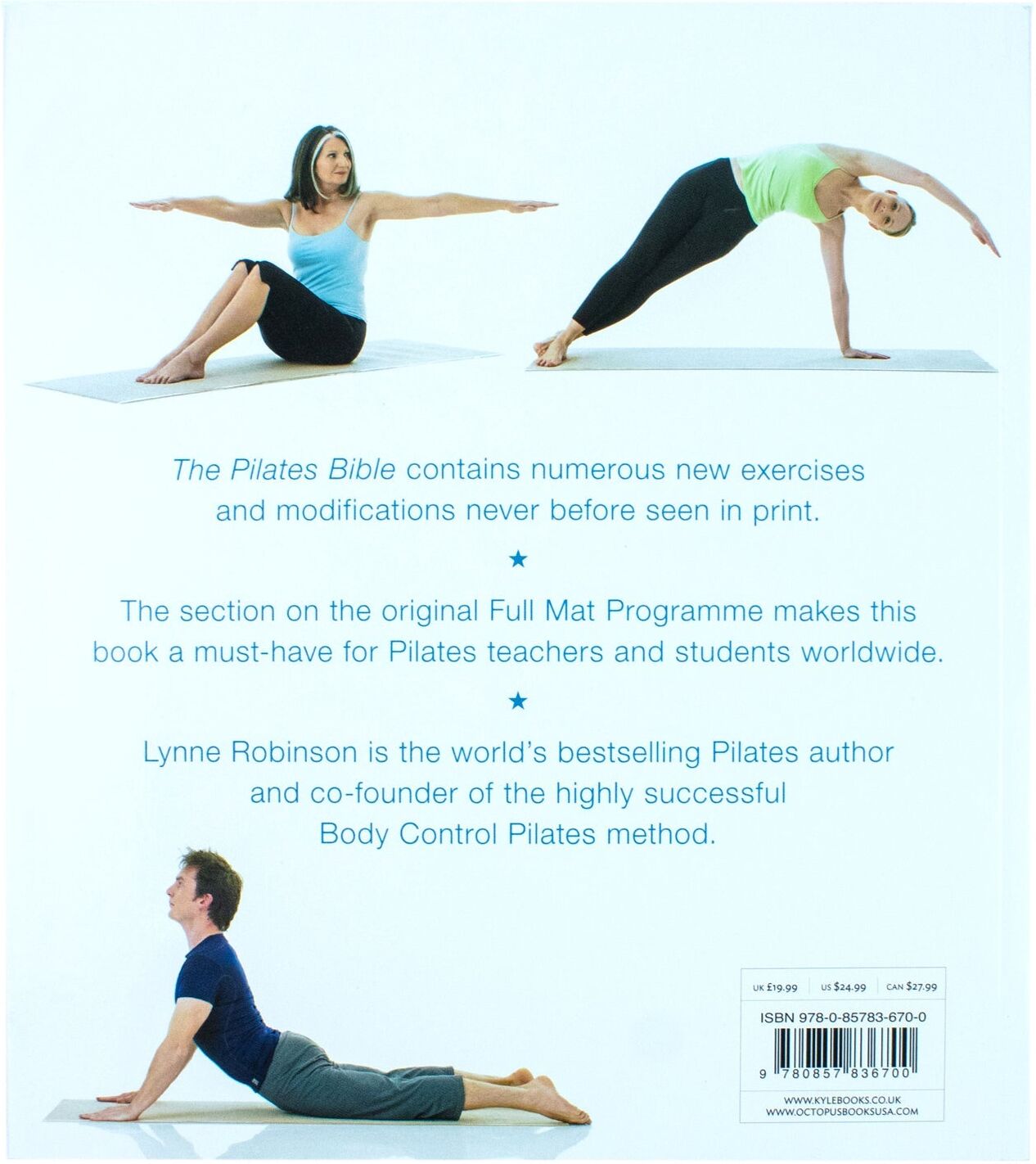
Kyle Books The Pilates Bible by Lynne Robinson, Lisa Bradshaw the most comprehensive and accessible guide to Pilates everThe Pilates Bible by Lynne Robinson, Lisa Bradshaw the most comprehensive and accessible guide to Pilates ever The Pilates Bible is the most authoritative and comprehensive book on Pilates matwork ever written and demonstrates why this hugely popular exercise has gone from cult status to an essential part of our modern lifestyle. Drawing on the latest medical research, the authors have updated old favourites as well as introduced many new. All can be performed with little or no equipment and The Pilates Bible allows you to progress safely at your own pace through Beginners, Intermediate and Advanced. There are also special sections on Pilates for new mothers and children, people with problems such as osteoarthritis, back pain and knee injuries, as well as Pilates at the gym and the workplace, and for the performing arts and sport. This is truly the one-stop guide for Pilates novices as well as those hoping to consolidate what they already know.9,99 £*Shipping: 2,99 £Secure redirect to the provider
-
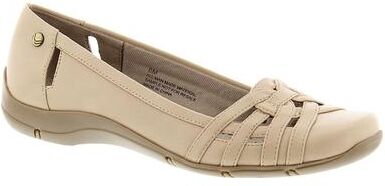
Life Stride LifeStride Diverse II - Womens 6.5 Tan Slip On Medium"*Make the transition into warm weather easy with this skimmer's perfect balance of cutouts and coverage *Faux leather or canvas upper *Plush footbed with Soft System® cushioning technology *Flexible rubber-like sole *3/4"" heel height"64,99 $*Shipping: 6,95 $Secure redirect to the provider
-
Life Stride LifeStride Diverse II - Womens 9.5 Tan Slip On W"*Make the transition into warm weather easy with this skimmer's perfect balance of cutouts and coverage *Faux leather or canvas upper *Plush footbed with Soft System® cushioning technology *Flexible rubber-like sole *3/4"" heel height"64,99 $*Shipping: 6,95 $Secure redirect to the provider


-
Is "alten" an adverb?
No, "alten" is not an adverb. It is actually the comparative form of the adjective "alt" in German, which means "old" in English. Adverbs typically modify verbs, adjectives, or other adverbs, but "alten" does not perform this function. Instead, it is used to compare the age of two things or people. **
-
What is an adverb, therefore?
An adverb is a part of speech that modifies or describes a verb, adjective, or another adverb. It provides more information about how, when, where, or to what extent an action is performed. Adverbs help to add detail and clarity to a sentence, allowing the reader or listener to better understand the action being described. **
-
What is a special adverb?
A special adverb is an adverb that does not fit into the typical categories of adverbs such as manner, time, place, or frequency. These adverbs are unique in that they do not describe how, when, where, or how often an action is performed, but rather add a specific detail or nuance to the verb. Special adverbs can include words like "only," "even," "just," "almost," and "hardly," among others. They serve to provide additional information or emphasis to the verb in a sentence. **
-
What is consequently an adverb?
Consequently is an adverb that is used to show a result or effect of something that has happened. It is often used to connect two events or ideas in a cause-and-effect relationship. For example, "She missed the bus, consequently she was late for work." In this sentence, consequently shows the result of missing the bus. **


Can it be an adverb?
Yes, "it" can be an adverb. In English, "it" can function as an adverb to indicate a location, time, or degree. For example, in the sentence "I put the book on the table," "on" is an adverb indicating location, and "it" can be used to replace "on" to form "I put the book it." Similarly, in the sentence "She ran quickly," "quickly" is an adverb indicating degree, and "it" can be used to replace "quickly" to form "She ran it." **
How can one recognize an adverb?
An adverb is a word that modifies or describes a verb, adjective, or another adverb. Adverbs often end in "-ly," but not always. They can also answer questions such as how, when, where, or to what extent an action is taking place. To recognize an adverb, look for words that provide more information about how an action is being performed or the circumstances surrounding it. **
Top-Angebote
Products related to Adverb:
-
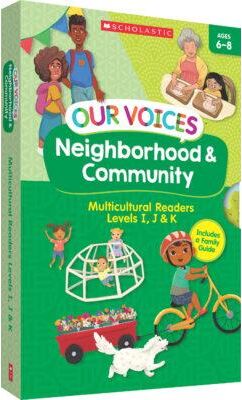
Our Voices: Neighborhood & Community Boxed SetFoster a feeling of belonging while building key reading skills with these colorful storybooks that spotlight a variety of neighborhoods and communities. The 10 charming stories feature characters from different cultural backgrounds who learn about...30,59 $*Shipping: 0,00 $Secure redirect to the provider
-
Life Stride LifeStride Diverse II - Womens 8.5 White Slip On W"*Make the transition into warm weather easy with this skimmer's perfect balance of cutouts and coverage *Faux leather or canvas upper *Plush footbed with Soft System® cushioning technology *Flexible rubber-like sole *3/4"" heel height"64,99 $*Shipping: 6,95 $Secure redirect to the provider
-
Kyle Books The Pilates Bible by Lynne Robinson, Lisa Bradshaw the most comprehensive and accessible guide to Pilates everThe Pilates Bible by Lynne Robinson, Lisa Bradshaw the most comprehensive and accessible guide to Pilates ever The Pilates Bible is the most authoritative and comprehensive book on Pilates matwork ever written and demonstrates why this hugely popular exercise has gone from cult status to an essential part of our modern lifestyle. Drawing on the latest medical research, the authors have updated old favourites as well as introduced many new. All can be performed with little or no equipment and The Pilates Bible allows you to progress safely at your own pace through Beginners, Intermediate and Advanced. There are also special sections on Pilates for new mothers and children, people with problems such as osteoarthritis, back pain and knee injuries, as well as Pilates at the gym and the workplace, and for the performing arts and sport. This is truly the one-stop guide for Pilates novices as well as those hoping to consolidate what they already know.9,99 £*Shipping: 2,99 £Secure redirect to the provider
-
'Adverb or preposition?'
An adverb is a word that modifies a verb, an adjective, or another adverb. It often answers questions such as how, when, where, and to what extent. A preposition, on the other hand, is a word that shows the relationship between a noun or pronoun and other words in a sentence. It often indicates location, direction, time, or the relationship between two things. **
-
Is that an adverb?
Without context, it is difficult to determine if "that" is being used as an adverb. "That" can be used as a demonstrative pronoun, adjective, or adverb depending on the sentence structure and the words it is modifying. For example, in the sentence "I didn't know that," "that" is used as a conjunction. However, in the sentence "She runs that fast," "that" is used as an adverb modifying the verb "runs." **
-
Is "alten" an adverb?
No, "alten" is not an adverb. It is actually the comparative form of the adjective "alt" in German, which means "old" in English. Adverbs typically modify verbs, adjectives, or other adverbs, but "alten" does not perform this function. Instead, it is used to compare the age of two things or people. **
-
What is an adverb, therefore?
An adverb is a part of speech that modifies or describes a verb, adjective, or another adverb. It provides more information about how, when, where, or to what extent an action is performed. Adverbs help to add detail and clarity to a sentence, allowing the reader or listener to better understand the action being described. **
Similar search terms for Adverb
-
Life Stride LifeStride Diverse II - Womens 6.5 Tan Slip On Medium"*Make the transition into warm weather easy with this skimmer's perfect balance of cutouts and coverage *Faux leather or canvas upper *Plush footbed with Soft System® cushioning technology *Flexible rubber-like sole *3/4"" heel height"64,99 $*Shipping: 6,95 $Secure redirect to the provider
-
Life Stride LifeStride Diverse II - Womens 9.5 Tan Slip On W"*Make the transition into warm weather easy with this skimmer's perfect balance of cutouts and coverage *Faux leather or canvas upper *Plush footbed with Soft System® cushioning technology *Flexible rubber-like sole *3/4"" heel height"64,99 $*Shipping: 6,95 $Secure redirect to the provider
-
Life Stride LifeStride Diverse II - Womens 7 Tan Slip On N"*Make the transition into warm weather easy with this skimmer's perfect balance of cutouts and coverage *Faux leather or canvas upper *Plush footbed with Soft System® cushioning technology *Flexible rubber-like sole *3/4"" heel height"64,99 $*Shipping: 6,95 $Secure redirect to the provider
-
Life Stride LifeStride Diverse II - Womens 6.5 Tan Slip On Medium"*Make the transition into warm weather easy with this skimmer's perfect balance of cutouts and coverage *Faux leather or canvas upper *Plush footbed with Soft System® cushioning technology *Flexible rubber-like sole *3/4"" heel height"64,99 $*Shipping: 6,95 $Secure redirect to the provider
-
What is a special adverb?
A special adverb is an adverb that does not fit into the typical categories of adverbs such as manner, time, place, or frequency. These adverbs are unique in that they do not describe how, when, where, or how often an action is performed, but rather add a specific detail or nuance to the verb. Special adverbs can include words like "only," "even," "just," "almost," and "hardly," among others. They serve to provide additional information or emphasis to the verb in a sentence. **
-
What is consequently an adverb?
Consequently is an adverb that is used to show a result or effect of something that has happened. It is often used to connect two events or ideas in a cause-and-effect relationship. For example, "She missed the bus, consequently she was late for work." In this sentence, consequently shows the result of missing the bus. **
-
Can it be an adverb?
Yes, "it" can be an adverb. In English, "it" can function as an adverb to indicate a location, time, or degree. For example, in the sentence "I put the book on the table," "on" is an adverb indicating location, and "it" can be used to replace "on" to form "I put the book it." Similarly, in the sentence "She ran quickly," "quickly" is an adverb indicating degree, and "it" can be used to replace "quickly" to form "She ran it." **
-
How can one recognize an adverb?
An adverb is a word that modifies or describes a verb, adjective, or another adverb. Adverbs often end in "-ly," but not always. They can also answer questions such as how, when, where, or to what extent an action is taking place. To recognize an adverb, look for words that provide more information about how an action is being performed or the circumstances surrounding it. **
* All prices are inclusive of VAT and, if applicable, plus shipping costs. The offer information is based on the details provided by the respective shop and is updated through automated processes. Real-time updates do not occur, so deviations can occur in individual cases. ** Note: Parts of this content were created by AI.